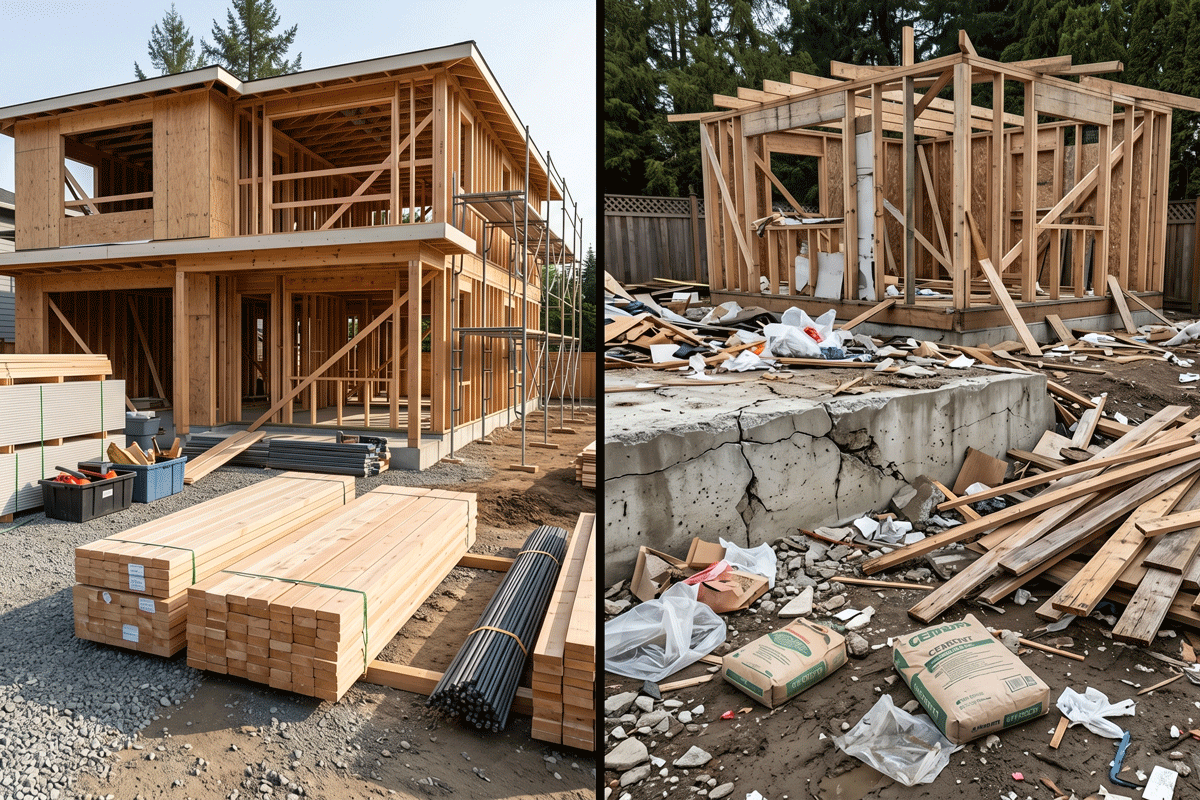
The fixer-upper fantasy is deeply embedded in our culture. Television has spent decades glorifying the transformation of crumbling plaster walls becoming open-concept living rooms, outdated kitchens reborn as chef’s paradises. What television rarely shows is the mold behind the walls, the electrical panel that was never up to code, or the foundation crack that requires a structural engineer.
Older homes can be wonderful. But when you buy one that needs significant work, you’re inheriting a building’s entire history, including every shortcut the previous owners took and every problem they chose to paint over rather than fix.
The Hidden Liabilities in Older Homes
What You Don’t See During Inspection
A standard home inspection covers accessible, visible systems. It doesn’t remove drywall to check framing, send cameras into sewer lines (unless specifically requested), or test for Chinese drywall, lead paint in pre-1978 homes, or asbestos in insulation and flooring. These are expensive problems that exist behind surfaces that look perfectly fine from a living room tour.
Code Compliance Costs
When you renovate an older home significantly, many jurisdictions require the work to bring affected areas up to current building code. This can mean upgrading electrical service, replacing plumbing with modern materials, improving insulation R-values, and adding HVAC requirements that didn’t exist when the house was built. These are non-negotiable costs that appear mid-renovation.
Renovation Budget Reality: The 20% Rule and Why It’s Not Enough
Experienced contractors recommend budgeting a 20% contingency on renovation projects. But for homes built before 1980 or those with deferred maintenance, many professionals who work primarily in renovation suggest a 30–40% contingency is more realistic. That ‘good bones’ house your agent loved may have very expensive bones.
The Scope Creep Problem
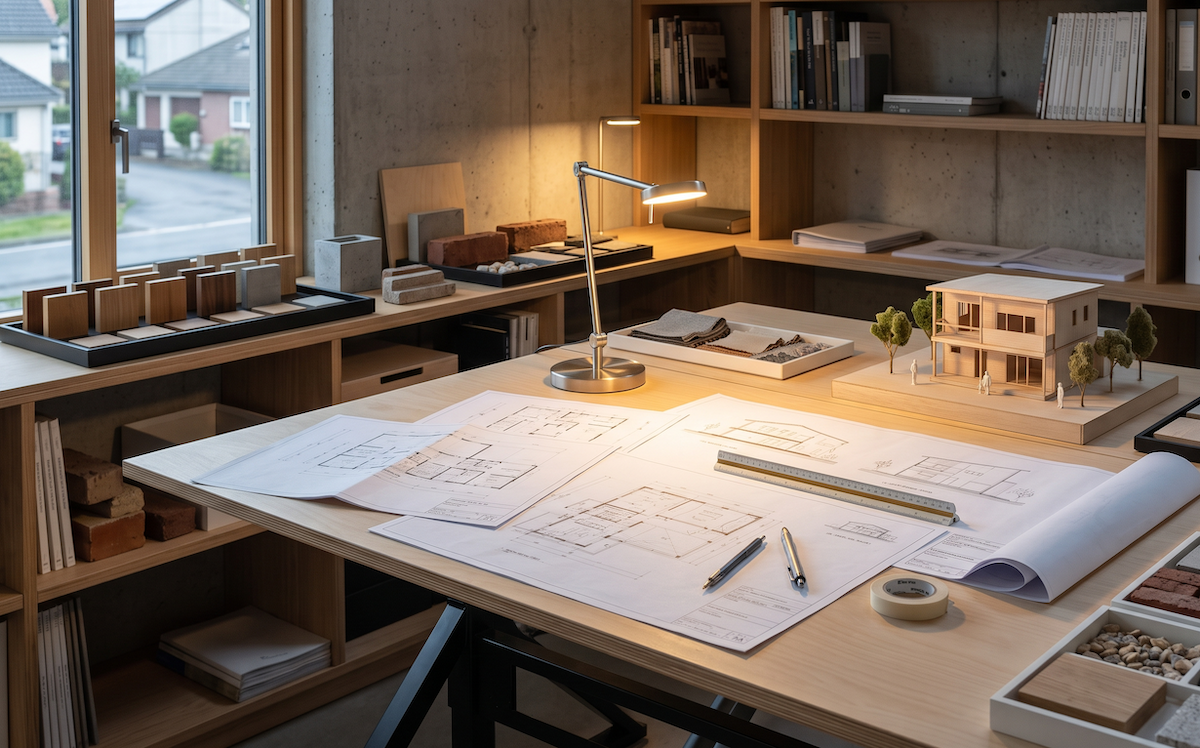
Renovation projects are uniquely vulnerable to scope creep: work that expands as problems are discovered. You open a wall to update wiring and find water damage that requires framing repair. You pull up old tile and find subfloor rot. Each discovery triggers another round of decisions and costs, and you often have no choice but to address them before proceeding.
Why Building New Gives You Control
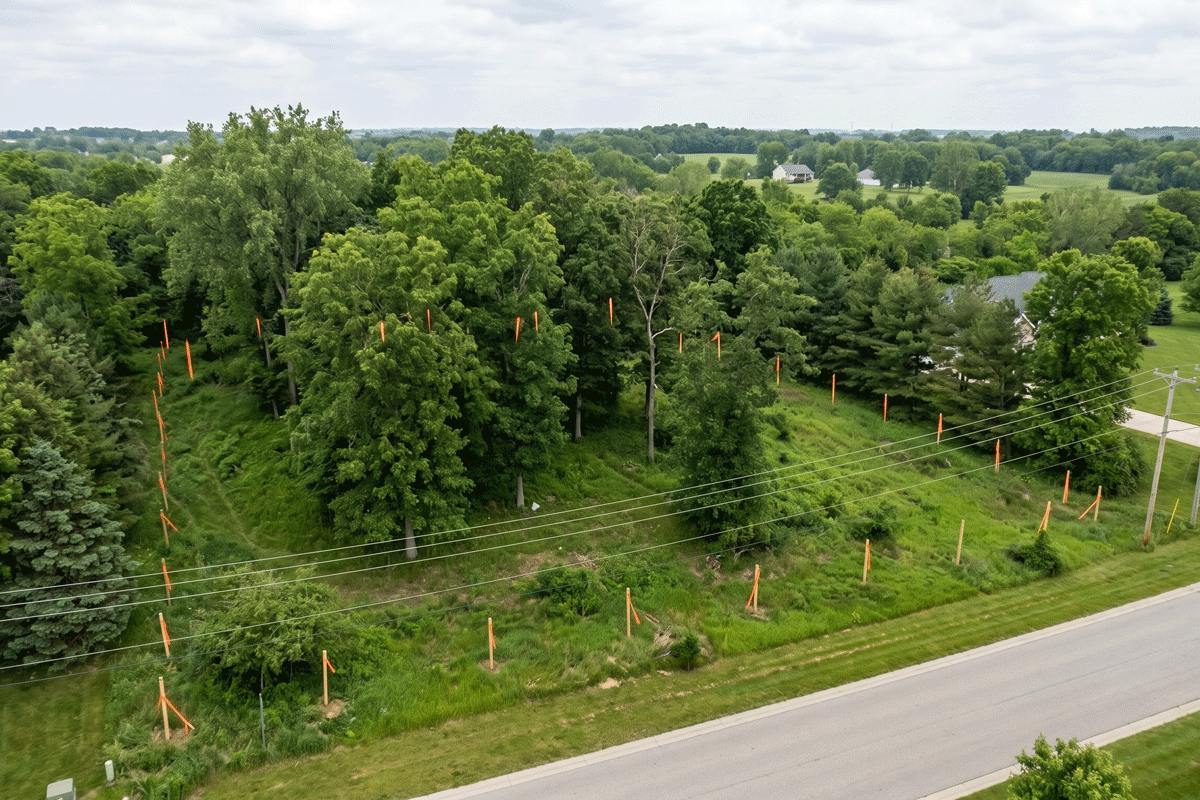
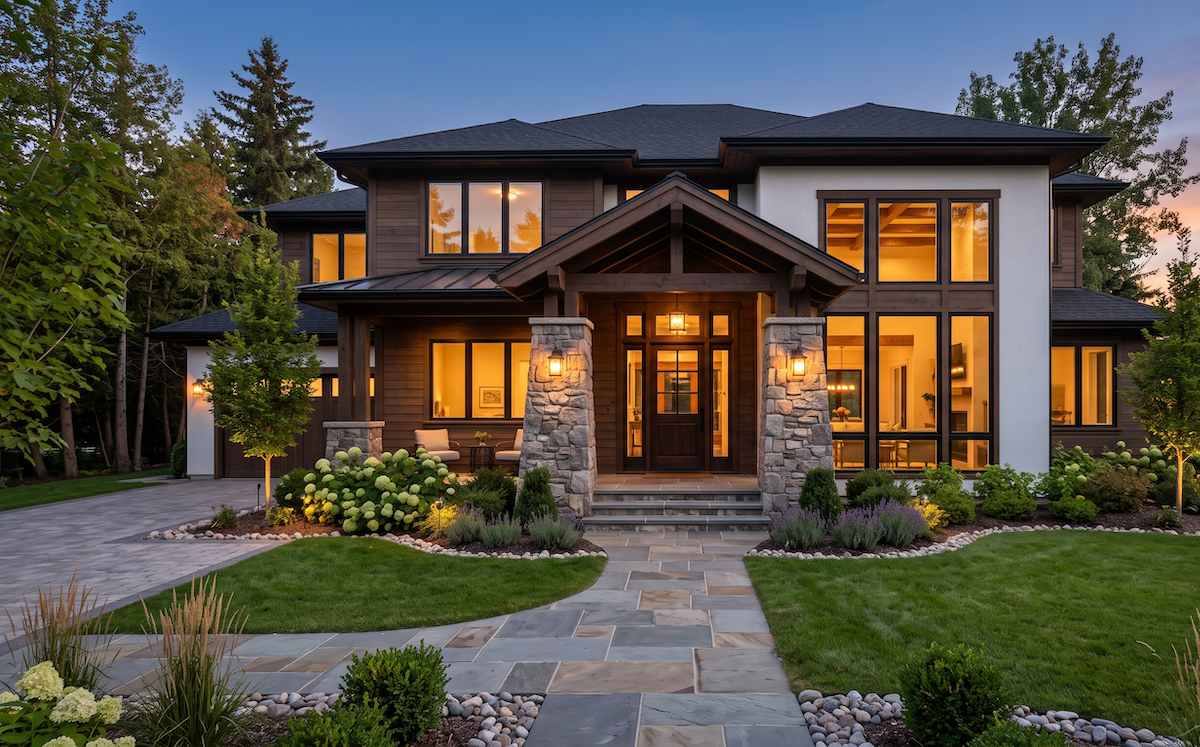
When you build a new custom home, you start with a blank slate. No buried problems. No previous owner’s decisions to work around. No structural surprises that emerge after demolition. You make every choice from foundation type to roof pitch to outlet placement based on your needs and preferences, not the constraints of an existing structure.
Energy Efficiency From Day One
New homes built to current standards are dramatically more energy-efficient than older stock. Modern insulation systems, high-performance windows, right-sized HVAC systems, and tight building envelopes can reduce utility costs by 40–60% compared to a home built in the 1980s or earlier. That efficiency compounds over the life of the home.
Warranty Coverage You Actually Get to Use
New construction comes with builder warranties on systems and structure. You’re covered on workmanship, mechanicals, and structural components for defined periods that give you real protection in the early years of ownership. With a renovated older home, you’re buying as-is on everything the previous owner touched.
Frequently Asked Questions
Q1: Isn’t building new always more expensive than buying an existing home?
Not necessarily, especially when you factor in renovation costs, deferred maintenance, and energy inefficiency of older homes; a custom build gives you control over costs upfront, whereas an older home can generate unexpected expenses for years. When total cost of ownership over 10 years is compared, new builds frequently prove more economical.
Q2: What are the most common expensive surprises in older home renovations?
The most costly discoveries are typically: foundation issues, knob-and-tube or aluminum wiring requiring full replacement, cast iron or galvanized plumbing that needs upgrading, asbestos or lead paint remediation, and structural framing damage from moisture, termites, or poor original construction. Any one of these can add $20,000–$80,000 to a renovation budget.
Q3: Are there advantages to renovating over building new?
Yes, renovation makes sense when the structure is sound, the location is irreplaceable, and the scope of changes is well-defined and limited. Historic properties, homes with significant architectural character, and properties in neighborhoods where new construction isn’t possible are strong candidates. The key is going in with clear eyes and professional inspections, not assumptions.
Q4: How does Bailey Brothers help people compare building vs. renovating?
We offer consultations that help prospective clients honestly assess their options. We can review an existing property’s scope of needed work, compare it to a new build on their lot or land we help them find, and give them a realistic side-by-side cost comparison. Our goal is the right decision for you, not just the one that generates a contract for us.
About the Author:
The Bailey Brothers Builders Team has been crafting custom homes across the region for over 30 years. Specializing in on-your-lot construction, their hands-on approach, transparent process, and commitment to quality have helped hundreds of families turn their vision into a place called home.
Ready to Build Your Dream Home the Right Way? At Bailey Brothers Builders, we bring decades of craftsmanship and transparent communication to every custom home project. No hidden costs. No cutting corners, just quality homes built on your lot, your way. Call us today or visit baileybrothersbuilders.com to schedule your free consultation.